
Nicholas Elmi is a Philadelphia-based chef and restaurateur best known for winning Top Chef: New Orleans (Season 11) and for running a portfolio of acclaimed restaurants on and around East Passyunk Avenue, including Laurel, In the Valley (ITV), and Royal Boucherie. The Philadelphia Inquirer reports that Elmi, owner of Laurel, won Bravo’s Season 11 of Top Chef, beating Nina Compton [Top Chef: New Orleans (Season 11) winner](https://www. inquirer. com/philly/entertainment/television/20140207SideshowPhillysElmiwinsTopChef.
Nicholas Elmi Net Worth: Verify Identity and Estimate

Marcus Fielding
2 May 2026

html). Based on publicly available evidence of his restaurant ownership, industry earnings, and media profile, a reasonable estimate of his net worth today sits in the $1 million to $3 million range, with the middle of that band being the most defensible figure given what can be verified. That range is an informed estimate, not a confirmed figure, and the sections below walk through exactly how it was built and how you can check it yourself.
Making sure you have the right Nicholas Elmi

There is more than one person named Nicholas Elmi (or Nick Elmi) with a public digital footprint, so confirming identity before trusting any net worth figure is step one. A LinkedIn profile for "Nick Elmi" in San Diego, California shows employment at Qualcomm and education at California State University Northridge. That is an entirely different person. The Nicholas Elmi relevant to this article is the Philadelphia chef with training from the Culinary Institute of America (attendance listed as 1999 to 2001) and a career history that includes executive chef roles at Le Bec-Fin and Rittenhouse Tavern before he opened his own restaurants.
To confirm you have the right person, look for any combination of these identifiers: Philadelphia, Pennsylvania as the base location; Top Chef Season 11 (New Orleans) winner credit on IMDb; owner or operator of Laurel and ITV on East Passyunk Avenue; appearance in the 2016 documentary "King Georges" as himself; and press coverage in outlets like Eater Philly, Philadelphia Magazine's Foobooz, and the Philadelphia Inquirer. If those markers match, you have the correct Nicholas Elmi.
What "net worth" actually means here
Net worth is assets minus liabilities. If you are looking for Nicholas d'Agosto net worth specifically, the same approach applies: verify identity first, then rely on cited sources rather than estimates.
For a chef and restaurateur like Nicholas Elmi, the relevant assets include his ownership stakes in restaurants (Laurel, ITV, Royal Boucherie, and Lark, which he co-created with Fia Barisha per a Philadelphia Inquirer report from October 2021), any real estate held personally, earnings from the Top Chef franchise and related media appearances, cookbook royalties, and savings or investments. On the liability side, restaurant businesses typically carry significant debt: equipment financing, lease obligations, small business loans, and credit lines.
Net worth is what remains after all of that is subtracted.
It is worth noting that restaurant valuations are notoriously volatile. A single-location fine dining restaurant like Laurel might be valued anywhere from one to three times annual revenue depending on profitability, lease terms, and transferability of the brand. None of these figures are publicly filed in the way a publicly traded company's finances are, which means every estimate for a private restaurateur involves educated inference, not hard data.
Building the evidence base: income, business roles, and assets
Restaurant ownership
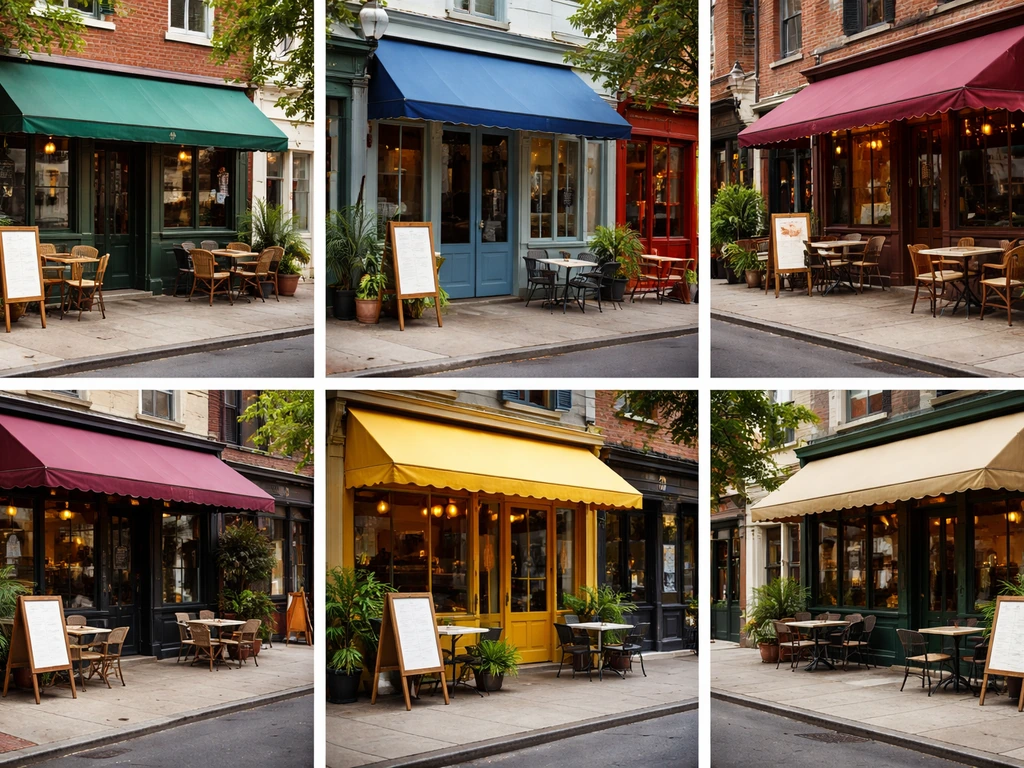
The clearest financial signal for Nicholas Elmi is his multi-restaurant ownership portfolio. Verified reporting confirms he has operated Laurel, In the Valley (ITV), and Royal Boucherie in Philadelphia. A Forbes longform profile explicitly names all three restaurants and also references a cookbook published in his timeline. In 2021, the Philadelphia Inquirer reported his involvement in launching Lark, a fourth concept. The Philadelphia Inquirer report on his business involvement also describes Elmi as the chef-owner of Laurel and ITV Elmi the chef-owner of Laurel and ITV. Owning and operating multiple restaurants in a major U.S. city represents meaningful asset value, though restaurant equity is illiquid and heavily dependent on ongoing performance.
Television and media earnings
Winning Top Chef typically comes with a $125,000 prize for the season winner (the standard prize for the show's format at that time). Beyond the prize, Top Chef alumni often earn appearance fees, consulting deals, and media opportunities for years after their season airs. Elmi has appeared in documentary film ("King Georges", 2016) and has been featured across travel and food media, including a Visit Philadelphia press release identifying him and his restaurants as flagship culinary destinations. These appearances generate incremental income but are unlikely to represent the majority of his net worth.
Cookbook and intellectual property
The Forbes profile references a cookbook, which adds a royalty income stream. Cookbook advances for chef authors at his recognition level typically range from $30,000 to $150,000, with ongoing royalties that depend on sales volume. This is a meaningful but secondary contributor to overall wealth.
Real estate and liabilities
No publicly available property records specifically tied to Nicholas Elmi's personal real estate holdings were surfaced in current research. Philadelphia property records are publicly searchable through the Office of Property Assessment, which is one of the best tools for verifying this component independently. Restaurant leases (rather than owned properties) would represent liabilities rather than assets, and East Passyunk Avenue is a competitive, higher-cost commercial corridor.
Which sources are worth trusting
For a private individual like Nicholas Elmi, source quality matters a lot because there are no mandatory financial disclosures. Here is a quick reliability hierarchy to use when you encounter a figure online:
| Source Type | Reliability | Why |
|---|---|---|
| Philadelphia Inquirer, Eater Philly, Philadelphia Magazine | High | Named reporters, datelines, editor oversight, fact-checked claims |
| Forbes/Fortune longform profiles | High | Editorial standards, named subject, verifiable business claims |
| IMDb credits and documentary film credits | High for identity confirmation, neutral for wealth | Confirms public appearances; no financial data |
| Visit Philadelphia press releases | Medium-high for identity/business facts | Official tourism bureau, no financial data |
| Celebrity net worth aggregator sites | Low to medium | Often use outdated templates, unverified assumptions, no methodology disclosed |
| Anonymous blogs, forums, or social media posts | Low | No editorial accountability, frequently copied from aggregators |
When you see a net worth number on a celebrity wealth aggregator site, check whether they cite any underlying source. A similar approach is useful when evaluating the Nicholas Yust net worth claims you may see online net worth number. Most do not. They typically use a formula based on estimated annual income multiplied by a generic savings rate, which produces numbers that can be off by a factor of two or more in either direction for private restaurant owners whose income is highly variable.
The best current estimate and what the range means

Pulling together the verified evidence, a defensible range for Nicholas Elmi's net worth as of May 2026 is $1 million to $3 million, with approximately $1.5 million to $2 million being the most probable midpoint. Here is the reasoning behind that range: If you want to sanity-check the conclusions, look for how the evidence ties back to claims about Nicholas Quintana net worth.
- Top Chef Season 11 prize: approximately $125,000, net of taxes roughly $75,000 to $85,000
- Equity in multiple Philadelphia restaurant concepts (Laurel, ITV, Royal Boucherie, Lark): conservatively $500,000 to $1.5 million combined, depending on debt load and current valuations
- Accumulated chef salary and media income over a career spanning 20-plus years at executive chef and owner level: likely adds several hundred thousand dollars to lifetime savings
- Cookbook advance and royalties: $30,000 to $150,000 estimated
- Offset by restaurant business liabilities (equipment loans, lease obligations, operational debt): could reduce gross asset value significantly
The lower end of the range ($1 million) reflects a scenario where restaurant valuations are modest and debt is relatively high, which is realistic for independently owned fine dining in a post-pandemic environment. The upper end ($3 million) assumes stronger restaurant equity and accumulated personal wealth. Without private financial disclosures, there is no way to pinpoint a single number, and anyone claiming one is fabricating precision that does not exist in the public record.
Why different websites show different numbers
Net worth aggregator sites often publish wildly different figures for the same person, and the reasons are predictable. First, many use automated templates that apply a multiplier to estimated annual income without accounting for liabilities, which inflates figures for business owners with high revenue but thin margins (a common restaurant reality). Second, data goes stale quickly: a site that published a figure in 2018 based on three restaurants may not have updated it after any closures, pivots, or new openings. Third, some sites simply copy each other, so one wrong number propagates across dozens of pages. For restaurant owners specifically, the business equity component is almost never captured accurately because there are no public filings to reference.
This is also why looking at sibling profiles on databases like this one can help calibrate expectations. Chefs and restaurateurs at a similar career level, regional reputation, and media exposure to Nicholas Elmi tend to cluster in the same general wealth tier, making peer comparison a useful sanity check even when primary data is limited.
How to verify and update this figure yourself
If you want to go beyond this estimate and build or refresh your own view, here are the most practical steps to take right now:
- Search the Philadelphia Office of Property Assessment (OPA) at philadelphia.gov/OPA for any real estate records tied to Nicholas Elmi or his restaurant LLCs. This is free and publicly searchable.
- Search Pennsylvania's business entity database (Pennsylvania Department of State, Corporation Bureau) for LLCs associated with Laurel, In the Valley, Royal Boucherie, and Lark. This can confirm ownership structures and reveal additional registered entities.
- Check Pennsylvania UCC filings (Uniform Commercial Code) for any secured loans tied to his business entities, which give a partial picture of debt obligations.
- Search recent Philadelphia Inquirer, Eater Philly, and Philadelphia Magazine coverage (2024 to present) for any new restaurant openings, closures, or business developments that would materially change the estimate.
- Review his IMDb and any recent documentary or television appearances for new media income indicators.
- Cross-reference any net worth figure you find on an aggregator site against the methodology they describe. If they do not describe one, treat the number as unverified.
- Set a Google Alert for "Nicholas Elmi" filtered to news results to catch any new Inquirer or Eater coverage as it publishes.
The most important thing to remember is that for a private restaurateur, net worth is a moving target. A good year at Laurel, a new restaurant concept, or a sold equity stake can shift the number meaningfully in either direction. Any figure you find, including the estimate in this article, should be treated as a snapshot tied to a specific moment in time and revisited whenever significant new business activity is reported. You can cross-check those claims by reviewing the evidence and methodology in this guide to Nicholas Campana net worth.
FAQ
How can I tell whether an online “Nicholas Elmi net worth” claim is based on real reporting or just a generic calculator?
Look for whether the page names specific businesses, prize amounts, or specific years, and whether it explains liabilities like restaurant debt or lease structure. If the number is presented without any supporting documents, interviews, or business ownership context, it is usually a template-driven estimate, which tends to exaggerate net worth for private restaurant owners.
If he co-created Lark, does that automatically mean his net worth should be higher than before 2021?
Not automatically. A new concept can increase potential upside, but early-stage restaurant ventures often have heavy startup costs, negative cash flow, and debt, so equity value may not rise immediately. Net worth could stay flat or even dip until the concept stabilizes and margins improve.
What’s the biggest reason restaurant-owner net worth estimates can be wrong even when the ownership list is correct?
Debt and lease economics are rarely captured. Two owners with similar restaurant brands can have very different personal net worth depending on financing terms (equipment loans, lines of credit), how much is personally guaranteed, and whether properties are leased versus owned.
Does winning Top Chef mean the majority of his net worth came from the prize money?
Usually no. The prize is significant but typically not large enough to dominate net worth compared with business equity, especially after taxes and reinvestment. The more meaningful downstream effects are credibility that can support higher-end partnerships, media revenue, and the ability to raise or finance restaurant ventures.
Should I include business revenue or only personal income when estimating net worth for a chef-restaurateur?
For net worth, personal income is only one input. You want to focus on accumulated equity and personal-held assets, then subtract personal liabilities and any guarantees tied to restaurant financing. High revenue does not equal high net worth if profits are reinvested or if debt is high.
How do I check whether a net worth figure is using the right Nicholas Elmi, not a different person with the same name?
Verify at least two identity markers that connect to the chef, not just the name. Examples include Philadelphia as the base, Top Chef Season 11 winner credit, and ownership of Laurel and ITV on East Passyunk Avenue. If those details do not appear together, treat the net worth figure as unreliable.
If no personal property records are found, does that mean he owns no real estate?
Not necessarily. It can mean records were not identified in the research window, or the property is held through an LLC or trust, which can obscure direct attribution. Another possibility is that he leases commercial space and residential property instead of owning it personally.
How often should I update the estimate, given that his restaurant portfolio can change?
Update when there is a major ownership or operating change, not just periodic press. Practical triggers include new restaurant openings with confirmed ownership stakes, closures, reported equity sales, refinancing events, or credible announcements about partnership exits or buyouts.
What peer-comparison should I use if I want to sanity-check the $1 million to $3 million range?
Compare against chefs and restaurateurs with similar city scale, number of operating concepts, and comparable media recognition, then consider whether they likely carry personal guarantees or heavy leverage. If the peer’s profile suggests more owned property and fewer financing burdens, their net worth may sit toward the upper end, even with similar restaurant brands.
What is the most common mistake people make when using wealth aggregator “net worth” numbers for private restaurateurs?
They treat a single published number as precise and current. For private restaurant owners, estimates can be stale, can ignore liabilities, and can be copied across sites. The safer approach is to treat any aggregator figure as a starting hypothesis and reconcile it with business ownership and plausible debt structure.
Next Article
Nicholas Campana Net Worth: Verify the Accurate Estimate
Learn how to verify Nicholas Campana net worth with source-backed ranges, disambiguation, and update checks.