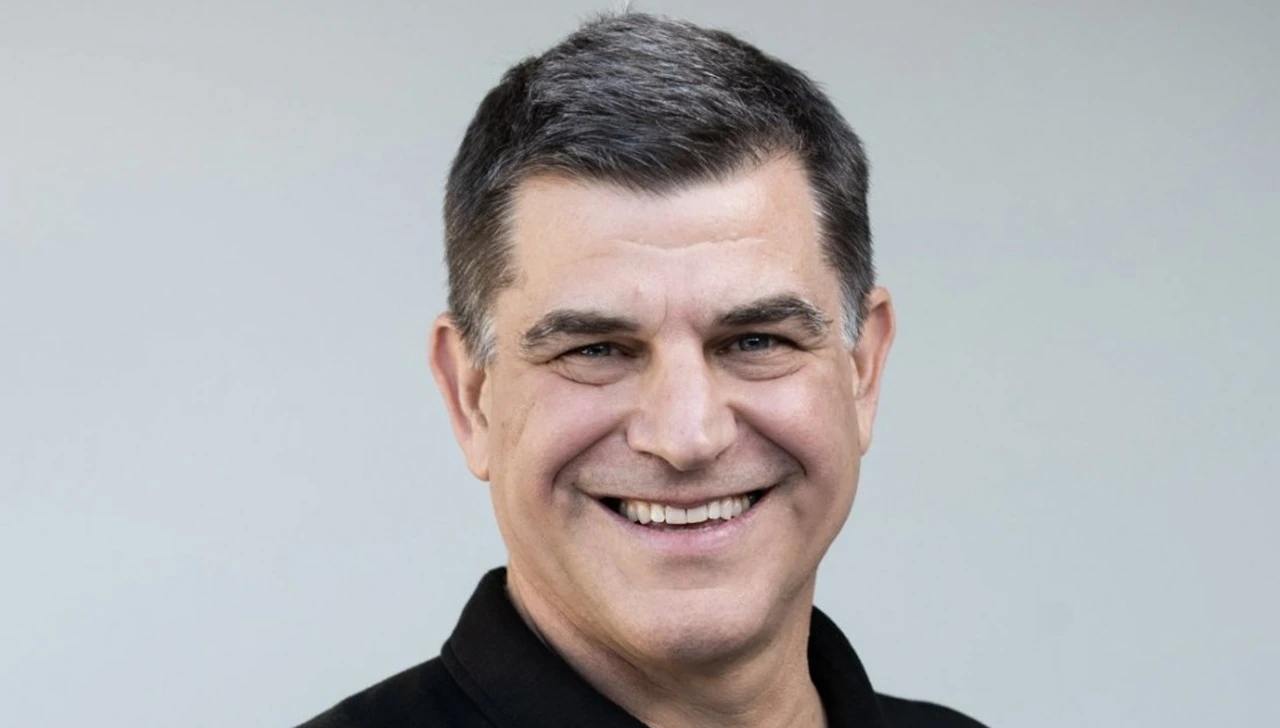
Nicolas Hayek's most defensible net worth estimate, based on the last publicly documented figure before his death on June 28, 2010, is approximately $3.9 billion. That number comes from Forbes' 2010 Billionaires list, timestamped March 1, 2010, and is tied almost entirely to his controlling stake in the Swatch Group. Because Hayek passed away in 2010, there is no living figure to update, but understanding how that $3.9B was calculated, how it changed over time, and where the wealth went afterward is exactly what this page is here to walk through.
Nicolas Hayek Net Worth: Estimate, Method, and Updates

Marcus Fielding
11 Jun 2026
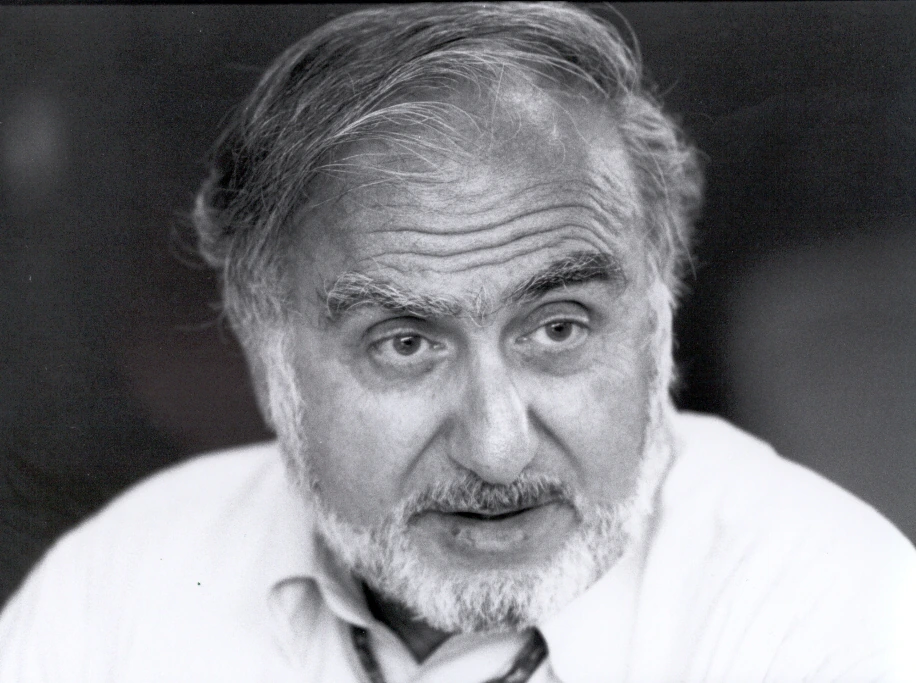
Who Nicolas Hayek was and why people search his wealth

Nicolas George Hayek (1928–2010) was a Lebanese-Swiss businessman best known as the co-founder, CEO, and Chairman of the Board of the Swatch Group, the Swiss conglomerate that owns Swatch, Omega, Breguet, Longines, and a dozen other watch brands. He is widely credited with rescuing the Swiss watch industry from near-collapse in the early 1980s, when cheap Japanese quartz watches were gutting market share. The Swatch brand, launched in 1983, became one of the most recognizable consumer products of the 20th century, and Hayek's personal fortune grew in direct proportion to how well the group performed on the Swiss exchange.
People search 'Nicolas Hayek net worth' for a few different reasons. Because his wealth is tied to his Swatch Group ownership, understanding his net worth helps explain how similar equity-driven estimates are built Nicolas Hayek net worth. Some are doing business research on Swatch Group ownership and want to understand the founder's stake. Others are curious about where that wealth went after his death, particularly given that his son Nick Jr. (Georges Nicolas Hayek Jr.) became CEO in 2003 and his daughter Nayla succeeded him as Chairperson. And some visitors simply land here while exploring the broader landscape of notable Nicolases in the business world. Whatever the reason, the core question is the same: how rich was this man, and how was that number determined? A common follow-up is Nicolas Colsaerts net worth, which is often estimated the same way using public disclosures and valuation proxies.
What counts inside a net worth estimate for Hayek
A net worth figure for a business founder like Hayek is not a bank balance. It is a snapshot of total estimated assets minus known liabilities, and for someone whose wealth was primarily equity-based, the biggest variable is always the current market value of their ownership stake. For Hayek, that means the value of his roughly 35% controlling interest in the Swatch Group (confirmed by Forbes Global in 1999), multiplied by whatever the share price implied as total group valuation at the time of the estimate.
Beyond the core equity stake, a complete net worth model would also account for real estate holdings, liquid assets, private investments, and any debt positions offset against those assets. Forbes, which produced the most cited figures for Hayek, describes its methodology as deliberately conservative: it values publicly traded stakes using share price, applies discounts to privately held or hard-to-value assets, and incorporates SEC filings, court records, and probate documents where available. For Hayek specifically, Forbes' source-of-wealth tag was simply 'Swatch,' indicating the vast majority of his wealth was tied to that single equity position rather than a diversified portfolio.
How this site determines and states its estimates

This site aggregates figures from transparent, named sources including Forbes and Bloomberg, then presents them as estimates rather than verified financial statements. That distinction matters. No public database, including this one, has access to a private individual's actual balance sheet. What we have are publicly available proxies: reported share ownership percentages, exchange-listed stock prices, publicly disclosed real estate transactions, and the published outputs of established wealth-tracking organizations. When those inputs change, the estimate changes. When they conflict, we flag the range and explain why the discrepancy exists.
For Hayek, the primary input is straightforward: his ownership percentage in Swatch Group multiplied by the group's market capitalization at a given point in time. The site's Methodology page provides the full framework for how figures are weighted, discounted, and updated. Because Hayek is deceased, there is no ongoing update cycle for his personal figure, but estate-level transfers and successor ownership are tracked where relevant.
Net worth range and how it changed over time
The documented trajectory of Hayek's net worth follows Swatch Group's performance almost exactly. Here is what the public record shows at key points.
| Year | Reported Net Worth | Source / Context |
|---|---|---|
| 1999 | $1.4 billion | Forbes Global rich-list; Hayek controls ~35% of Swatch Group, age 70 |
| 2010 (Mar 1) | $3.9 billion | Forbes 2010 Billionaires list; last published figure before his death |
| June 28, 2010 | N/A (deceased) | Hayek passed away; estate transferred to family successors |
Between 1999 and 2010, his estimated net worth nearly tripled, growing from $1.4B to $3.9B. That increase reflects both the appreciation of Swatch Group's stock over that decade and likely refinements in how Forbes modeled the full scope of his holdings. His ownership percentage stayed relatively stable at around 35%, so the driver of wealth growth was almost entirely the rising valuation of the underlying business. The reasonable range for the final estimate sits between $3.5B and $4.2B depending on the exact date of measurement and any valuation discount applied to the controlling stake.
The Swatch Group: why the asset context matters so much
Understanding Hayek's net worth requires understanding what the Swatch Group actually is as an asset. It is not just a watch company. At the time of Hayek's death, the group owned a portfolio of 18+ watch and jewelry brands spanning every price segment from a $30 Swatch to a $500,000 Breguet. It also held a significant share of the global watch movement manufacturing supply chain, which gave it pricing power and margin insulation that most luxury goods companies lack.
Hayek's 35% controlling stake was not passive. He served as CEO and Chairman simultaneously, which meant his personal leadership was inseparable from the company's valuation in analysts' models. This is sometimes called a 'founder premium' in equity valuation: the market partially prices in the continued involvement of a dominant founder. When he stepped back and his son Nick Jr. took the CEO role in 2003, that transfer was closely watched for any impact on the company's market value and governance stability. His daughter Nayla's subsequent role as Chairperson continued the family's controlling presence after his death.
From a net worth modeling perspective, this matters because a 35% stake in a family-controlled public company is not the same as 35% of market cap. Acquirers would need to pay a control premium to displace the Hayek family, which theoretically inflates the stake's true value. However, conservative estimators like Forbes typically apply a discount rather than a premium to minority or concentrated controlling stakes in recognition of illiquidity and transaction friction. Both approaches are defensible, and that tension is part of why a range rather than a single number is the most honest way to present the figure.
Why different sources show different numbers, and what to watch

If you have seen figures for Nicolas Hayek's net worth that differ from the $3.9B Forbes benchmark, here are the most common reasons.
- Date of measurement: Swatch Group shares fluctuated meaningfully quarter to quarter. A figure from mid-2009 versus early 2010 could differ by hundreds of millions of dollars purely due to share price movement.
- Currency conversion: Swatch Group trades in Swiss francs (CHF). A USD-denominated net worth figure is sensitive to the CHF/USD exchange rate at the time of conversion. A 5% swing in the exchange rate changes the dollar figure by roughly $200M at the $3.9B level.
- Ownership modeling: Simply Wall St data, for example, tracks direct share ownership separately from family trust and holding company structures. Nick Hayek Jr. is listed with approximately 0.11% directly owned shares, but the Hayek family's effective control runs through a network of entities. How a source consolidates those structures affects the headline number.
- Conservative vs. full-value methodology: Forbes applies deliberate conservatism. Other sources that do not apply liquidity discounts or family-control adjustments will produce higher figures.
- Post-death estate adjustments: After June 2010, Hayek's stake was distributed through his estate. Some secondary sources cite his wealth figure without noting it is a historical snapshot, not a current living billionaire status.
The most defensible number for anyone doing research today remains the Forbes March 2010 figure of $3.9 billion, because it is the last systematically produced, methodology-backed estimate before his death. For more detail on that figure, see the Nicolas Cole net worth analysis tied to similar wealth-tracking methods. For researchers interested in the current Hayek family wealth picture, the relevant follow-on question is how Nayla Hayek's chairperson role and the family's retained controlling interest in Swatch Group translate to present-day valuations, which would require tracking Swatch Group's current market cap and the family's disclosed ownership percentage.
If you want to dig deeper into how business-founder wealth is tracked and estimated for other prominent figures, the methodology behind names like Nicolas Szekasy (a prominent Latin American venture capital figure) or Nicolas Puech (the Hermès heir) follows similar equity-stake modeling logic, and browsing those profiles on this site is a practical way to build intuition for how these figures are constructed and where they can diverge. Because Nicolas Krause is a different individual, this article's Hayek net worth framework does not directly apply unless the Krause profile is analyzed separately build intuition.
Practical next steps for getting the most current picture
- Check the site's most recent research notes on this page for any updates to the Hayek family wealth picture or Swatch Group valuation context.
- Cross-reference the Forbes 2010 Billionaires entry directly to confirm the $3.9B baseline and its methodology.
- For current Hayek family wealth, search Swatch Group's latest annual report for disclosed family ownership percentages and apply the current CHF market cap accordingly.
- Use the site's Methodology page to understand exactly how this database weights equity stakes, applies discounts, and handles deceased subjects.
- If you are comparing across sources, note the currency, date, and ownership modeling approach each source uses before drawing conclusions about which figure is 'correct.'
FAQ
Why do some sites report a different “Nicolas Hayek net worth” than the $3.9B figure?
Most discrepancies come from using a different valuation date, applying a different discount for a controlling but illiquid stake, or modeling related assets inconsistently (for example, including or excluding certain holdings outside Swatch that were not fully disclosed in the same way across trackers).
Is Nicolas Hayek’s net worth purely tied to Swatch Group stock?
His wealth was overwhelmingly equity-driven, but a complete net worth model can also incorporate non-Swatch assets (such as real estate or private investments) and debts. The conservative trackers primarily emphasize Swatch because that was the dominant, most documentable driver through published ownership and market pricing.
How should I interpret “35% controlling stake” versus “35% of market cap” in net worth calculations?
A controlling stake can be valued differently because control can affect governance, transaction friction, and takeover dynamics. Some models apply a discount for illiquidity or friction rather than a control premium, which is why the same ownership percentage can yield a range instead of a single number.
If Hayek died in 2010, why do people still search his net worth today?
Because researchers are often estimating (1) the last known benchmark for his personal wealth and (2) the present-day value of the family’s retained holdings. His personal net worth does not update the way a living person’s does, but the value of the Swatch stake owned or controlled by successors can change with market conditions.
Did Hayek’s roles as CEO and Chairman affect how estimators model his stake?
Yes, it can. When a founder is actively involved, some equity valuation approaches incorporate a “founder premium” or governance stability effect. Conservative estimators still have to decide whether to reflect that in valuation through premiums or to avoid it by sticking closely to publicly traded pricing and standard discounts.
What’s the simplest way to sanity-check an estimate of Nicolas Hayek net worth?
Take his documented ownership percentage (around 35% per the cited ownership record), multiply by Swatch Group’s market capitalization at the estimate date, then account for a discount or adjustment for controlling concentration, taxes, and illiquidity. If a site’s figure implies a market-cap or adjustment that does not align with those inputs, the number is likely using a different model or date.
Do wealth-tracking organizations include taxes, estate costs, or debts in their Nicolas Hayek net worth estimates?
Typically only to the extent that information is available in public records or incorporated into standard conservative assumptions. Many estimates focus on asset valuation proxies, and liabilities may be less fully known, which is one reason you often see ranges rather than precise audited totals.
Why do net worth estimates sometimes swing even when ownership percentages are unchanged?
For equity-heavy fortunes, changes in share price (and therefore market capitalization) drive most of the movement. Even a stable percentage stake can produce large valuation swings if the stock price rises or falls, and different trackers may also adjust for methodology changes over time.
How do trackers handle “hard-to-value” holdings for someone like Hayek?
Conservative methodologies apply discounts to private or hard-to-value assets because there is no transparent market price. If a figure depends heavily on such holdings, the estimate becomes more model-driven and less comparable across sources.
If I’m researching the current Hayek family wealth, what should I focus on instead of Nicolas Hayek’s personal net worth?
Focus on the family’s current disclosed ownership and control in Swatch Group, then apply the same valuation logic using today’s Swatch market capitalization. The key missing piece for “current wealth” is ownership-by-successor and whether shares are directly held, indirectly held, or subject to control arrangements.
Next Article
Nicolas Szekasy Net Worth: Latest Estimate and Sources
Latest, evidence-backed estimate of Nicolas Szekasy net worth, how it’s calculated, and how to verify the right person.